Building a business in India is an act of the heart. Whether you are running a manufacturing unit in Coimbatore, a thriving tech boutique in Pune, or a distribution hub in Indore, your business is more than just a balance sheet—it is a collection of years of late nights, personal sacrifices, and the collective dreams of your employees.
However, as we navigate 2026, the digital landscape that helped us grow has become a bit of a “Wild West.” For many Indian Small and Medium Businesses (SMBs), cybersecurity often feels like an unwelcome guest—a complex, expensive, and intimidating necessity. But if we look past the jargon, we find that protecting our businesses is actually a very human story about resilience.
The Myth of the “Small Target”
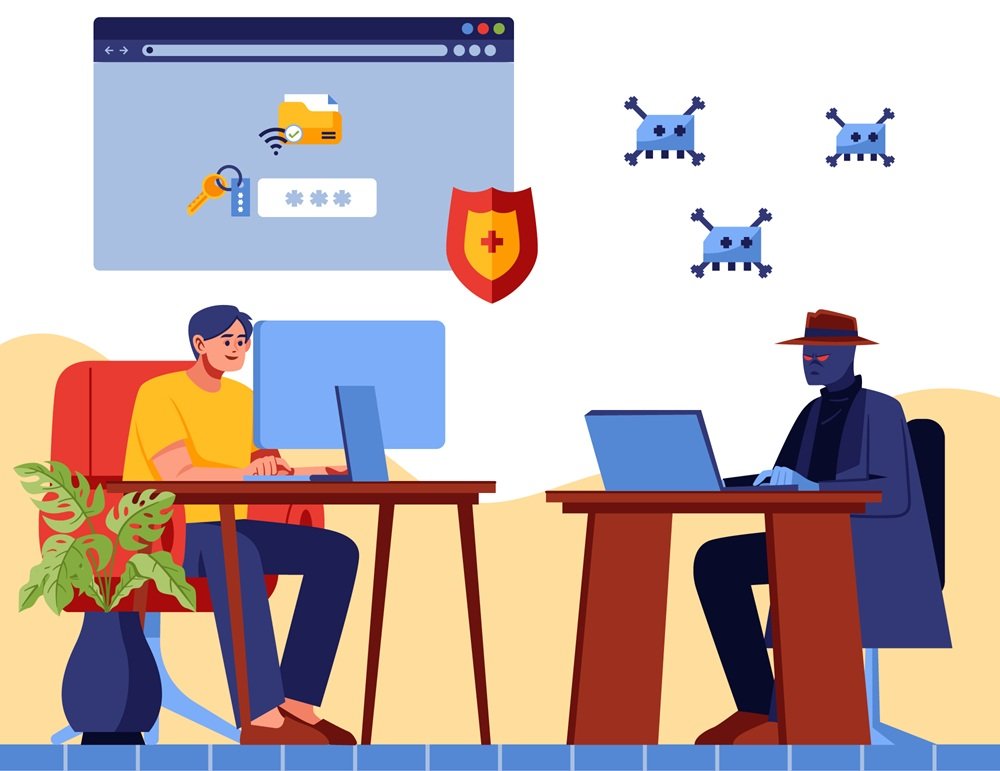
For years, many of us lived by a comforting thought: “Why would a hacker care about my mid-sized firm when they could go after a giant bank?” The reality of 2025 and 2026 has shattered that myth. Today’s cyberattacks aren’t always masterminded by a “villain” in a movie; they are often “impulsive.” Think of them as automated digital scavengers. They don’t care who you are; they only care if your “digital door” is unlocked. With 74% of Indian SMEs facing cyber incidents recently, the threat isn’t just a statistic—it’s a disruption that can halt production, drain bank accounts, and, most painfully, break the trust you’ve spent decades building with your customers.
Why Your Current “Fence” Might Be Failing
Most traditional security measures are like an old-fashioned checkpoint at a factory gate. Every truck (or piece of data) has to stop, get inspected, and wait for the guard to sign off before the next one can move. This is why many business owners find security “clunky.” It slows down the internet, makes the software lag, and frustrates your team.
In a world where speed is everything, IT managers often face a heartbreaking choice: keep the security tight and watch productivity drop, or loosen the settings to keep the business moving. Most choose the latter, leaving a gap that ransomware exploits.
This is where a shift in thinking is required. Manish Kochar, Director at SafeSquid Labs, argues that we need to move away from these “slow assembly line” security models. His philosophy—built into the SafeSquid architecture—is about parallel processing.
Imagine instead of one guard checking a truck, you have a specialized team of ten people who all jump on the truck at once. One checks the engine, one the cargo, one the driver’s ID—all at the same time. The truck barely has to slow down. This “multi-threaded” approach means you get deep, “Zero-Trust” security (checking everything, every time) without the frustrating lag that makes your employees want to bypass the system.
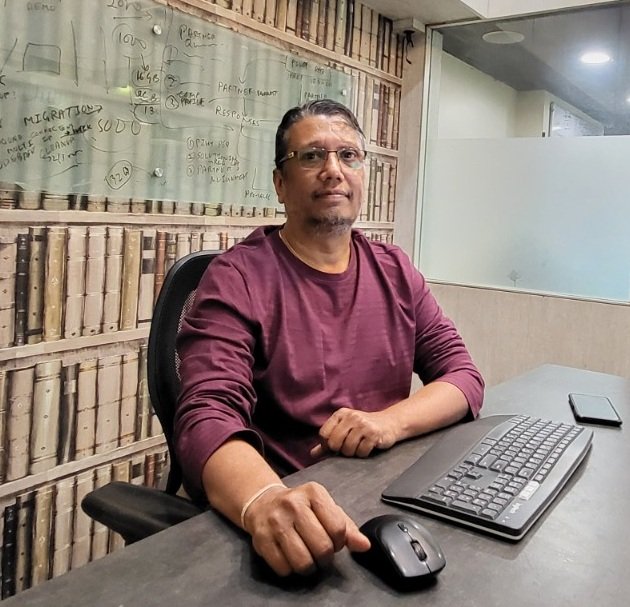
Director – SafeSquid Labs
The Human Nuance: Data is More Than Just Files
We often think of “Data Leakage” as a spy stealing a secret blueprint. In the MSME world, it’s usually much more human. It’s an employee accidentally sending a sensitive client list to the wrong WhatsApp group, or a tired manager uploading a financial report to a personal cloud drive to work from home.
Traditional filters are blunt instruments; they just block “bad” sites. But your team needs Google Workspace, Microsoft 365, and Zoom to function.
The educational takeaway here for the MSME community is that context is king. A modern security gateway shouldn’t just ask “Is this site allowed?” It should be smart enough to ask: “Why is this specific person trying to send an encrypted file to a competitor’s domain at 2:00 AM?” By using technologies like OCR (which can “read” text inside an image or a screenshot), systems can now prevent sensitive data from leaving your company—even if someone tries to disguise it.
Empowering Lean Teams
Let’s be honest: your IT “department” might just be one overworked person or a local consultant you call when things break. You don’t have the time to decipher 500-page security logs.
Deep humanization of tech means making it auditable and readable. You deserve a dashboard that tells you, in plain language: “Hey, we blocked three attempts to access your payroll files today from an unknown location. Everything is safe, but you might want to check these user passwords.” This isn’t just “security”—it’s peace of mind. It allows you to be proactive rather than reactive, stopping a crisis before it becomes a “ticket storm” that shuts down your office for a week.
A Matter of Pride: Cyber Sovereignty
There is also a deeper, more patriotic reason for Indian SMBs to rethink their tools. For a long time, we relied on foreign security feeds. But as the makers of SafeSquid (Office Efficiencies) have highlighted, India needs its own “Cyber Sovereignty.”
By using home-grown, “Make-in-India” security architectures, our MSMEs ensure that their data and threat intelligence aren’t subject to the whims of foreign governments or external regulations. It’s about building an Indian “backbone” that is self-reliant and specifically tuned to the types of threats we face here in our own backyard.
The Path Forward
Cybersecurity isn’t about building a wall to hide behind; it’s about building a foundation that lets you run faster. It’s about knowing that while you sleep, an intelligent, “always-on” system is watching your digital perimeter with the same care you give to your physical office.
As you look toward the rest of 2026, don’t just ask if you have a “firewall.” Ask if your security understands your business, respects your employees’ time, and is ready to grow as fast as you are.